Creating a Realistic Budget for Custom Home Construction

Building a custom home represents a significant financial undertaking that requires careful planning from the very beginning. A realistic budget serves as the foundation for the entire project, helping to align expectations with actual costs and reducing the likelihood of unexpected financial strain. Unlike purchasing an existing home, where the price is fixed, custom construction involves numerous variables that can shift over time, from material prices to labor availability. Understanding how to break down these components and anticipate potential adjustments is essential for anyone considering this path.
Custom home builders like Evergreen Homes often emphasize the importance of starting the budgeting process early, well before any ground is broken. This involves researching local market conditions, gathering preliminary quotes, and setting aside time to evaluate each cost category. A well-structured budget does not just list expenses; it also includes a framework for managing changes and unforeseen circumstances. The following sections outline the major cost categories involved in custom home construction and offer practical guidance for creating a budget that remains realistic from start to finish.
Land and Site Preparation Costs
The first major expense in any custom home project is the land itself. Lot prices vary widely depending on location, size, zoning restrictions, and proximity to utilities and amenities. In many areas, the cost of a developed lot in a subdivision may already include access to water, sewer, and electricity, while raw land in a rural setting may require significant investment to bring these services to the building site. Buyers should obtain a recent survey and a soil test before finalizing a purchase, as these reports can reveal issues that affect both the land price and subsequent preparation work.
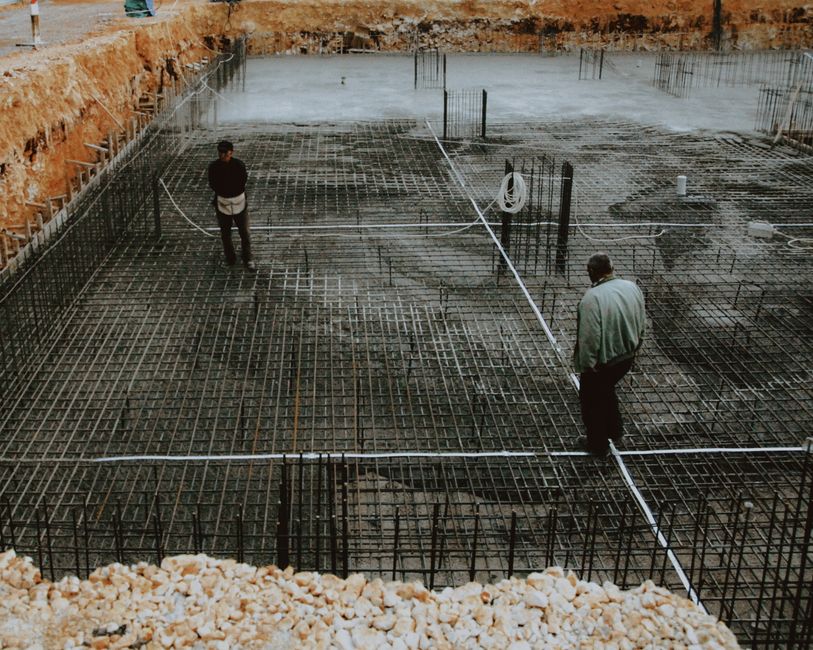
Site preparation includes clearing vegetation, grading, excavating for the foundation, and installing drainage systems. These tasks can be influenced by the terrain, soil composition, and local climate. For instance, a steep slope may require retaining walls or specialized foundation engineering, while rocky soil can increase excavation costs substantially. It is advisable to obtain multiple bids from earthwork contractors and to factor in potential permit fees for erosion control and stormwater management. A common approach is to allocate between 10 and 15 percent of the total construction budget to land and site preparation, though this percentage can vary based on the specific property.
Materials and Finishes
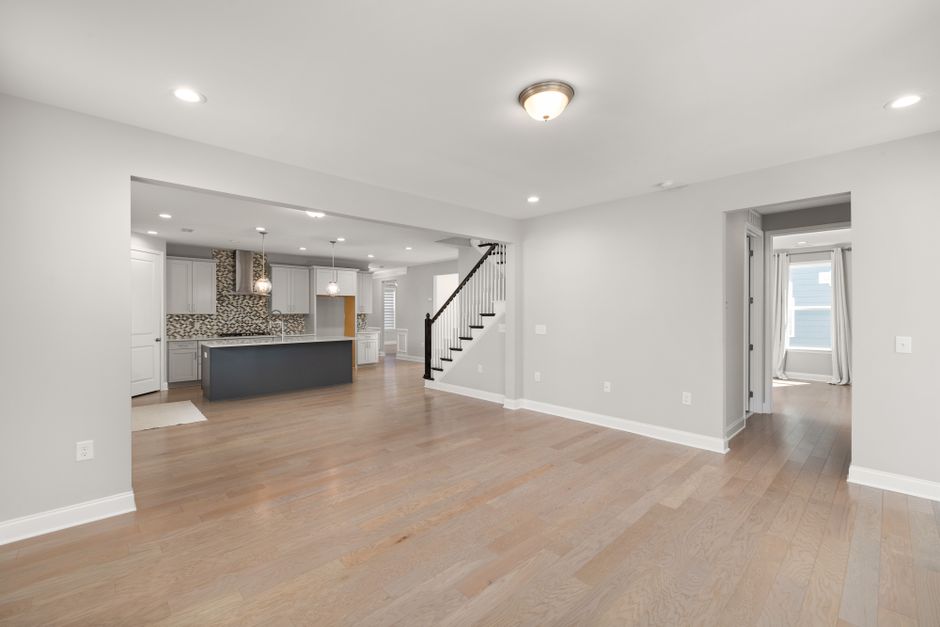
Material costs typically represent a large portion of the overall budget, and they are subject to fluctuations in supply chains, commodity prices, and regional availability. Structural materials like lumber, concrete, steel, and roofing are often the most stable categories, but they can still experience volatility. Finishes such as flooring, cabinetry, countertops, fixtures, and paint offer a wide range of price points, allowing homeowners to adjust spending based on priorities. A realistic budget accounts for both the baseline cost of standard materials and the potential upgrade paths that may be considered during the design phase.
One method to manage material expenses is to create a detailed specification list early in the process, noting the quality level and approximate cost for each item. This list can then be shared with suppliers and subcontractors to obtain accurate quotes. It is also wise to include a modest allowance for price increases, especially for materials that must be ordered months in advance. Builders often recommend setting aside an additional 5 to 10 percent of the material budget as a buffer against market changes. By documenting choices and tracking costs continuously, homeowners can make informed decisions without exceeding their financial limits.
Labor and Project Management
Labor costs cover the wages of all tradespeople involved in the construction, including framers, electricians, plumbers, HVAC technicians, drywall installers, painters, and finish carpenters. These costs are influenced by local wage rates, the complexity of the design, and the project timeline. In many regions, labor shortages can drive up prices and extend schedules, making it important to confirm availability and rates before committing to a start date. General contractors or custom builders typically include a fee for project management, which covers coordination, scheduling, quality control, and communication with subcontractors.
When budgeting for labor, it is helpful to distinguish between fixed-price contracts and time-and-materials agreements. Fixed-price contracts provide cost certainty for defined scopes of work, while time-and-materials arrangements offer flexibility but carry risk of overruns if delays occur. Homeowners working with a builder like Evergreen Homes may receive a detailed breakdown of labor costs by trade, along with a schedule of payments tied to completion milestones. This transparency allows for better tracking and reduces the likelihood of disputes. Including a contingency for overtime work or rush orders can also help keep the project on track without derailing the budget.
Permits, Fees, and Inspections
Obtaining the necessary permits is a mandatory step in any custom home construction, and the associated fees can add up quickly. Local building departments charge for plan reviews, building permits, electrical permits, plumbing permits, and mechanical permits, among others. In addition, there may be impact fees for schools, parks, roads, and other public services, as well as fees for inspections at various stages of construction. The total cost of permits and fees depends on the municipality and the scope of the project, and it is not uncommon for these to range from a few thousand to tens of thousands of dollars.
To avoid surprises, it is wise to contact the local building department early in the planning process and request a complete list of required permits and their costs. Some jurisdictions also require environmental reviews or historical preservation assessments, which can add both time and expense. Including a separate line item in the budget for permits and fees ensures that these costs are not overlooked or mistakenly folded into other categories. Builders often recommend adding a small buffer for potential revisions to plans that may require updated permits, as changes during construction sometimes necessitate additional approvals.
Contingency Planning and Hidden Expenses
Even with thorough research, every custom home project encounters unforeseen circumstances. Hidden expenses can arise from issues discovered during excavation, changes in local building codes, supplier delays, or design adjustments made after construction begins. A contingency fund is the primary tool for managing these unknowns without forcing compromises on quality or scope. Financial planners and experienced builders generally suggest setting aside 10 to 20 percent of the total construction budget for contingencies, depending on the complexity of the project and the level of customization.
Examples of hidden expenses include damage to underground utilities, mold remediation, additional insulation requirements, or upgrades needed to meet energy code standards. Change orders, which occur when the homeowner requests alterations after work has started, also contribute to cost increases if not accounted for in advance. To minimize these surprises, it is helpful to maintain a detailed log of all decisions and approvals, and to review the budget regularly with the builder. Establishing a clear process for evaluating and approving changes before they are implemented can keep expenses under control. A realistic budget is not a static document; it evolves alongside the project, guided by transparent communication and careful monitoring of every cost category.